
Leading Storm Restoration Supplies For Property Recovery
Get access to the most effective products that support comprehensive repairs and safeguard your property from future damage.
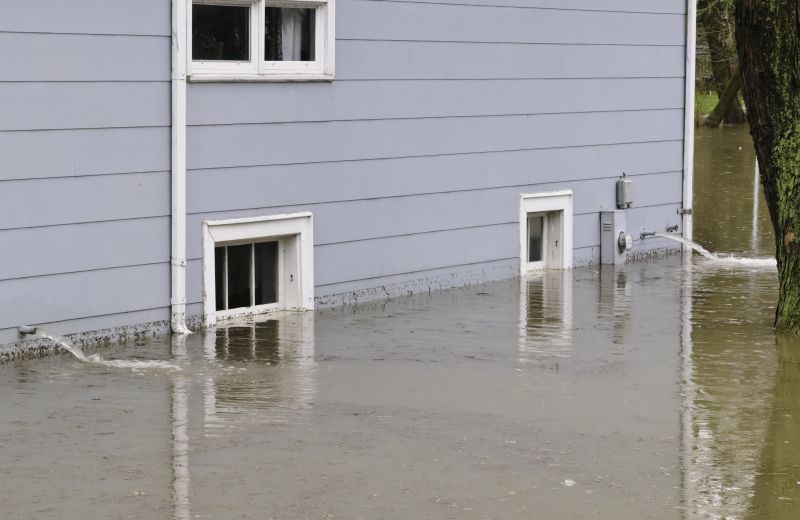 Storm restorations often require a comprehensive approach to repair and reinforce structures damaged by severe weather events. In Omaha, Nebraska, where seasonal storms can vary from heavy winds to hail, selecting the right products is essential for effective restoration. Properly chosen materials and tools can help restore safety, stability, and integrity to affected properties. From roofing components to waterproofing solutions, the array of available products caters to different needs and budgets.
Top Overall Option
Heavy-Duty Weatherproofing Sealant
A versatile and durable sealant designed to provide a reliable barrier against water intrusion, wind infiltration, and weather-related wear. Suitable for sealing roofs, siding, and windows, this product offers ease of application and long-lasting protection. Its flexibility allows it to accommodate structural movements, making it a practical choice for storm restoration projects that demand resilience and adaptability.
Types of Products For Storm Restorations
Roofing Shingles and Panels
Various styles and materials designed to replace or reinforce damaged roofing surfaces, providing weather resistance and structural integrity.
Waterproof Membranes
Protective layers applied to roofs and foundations to prevent water penetration and reduce leak risks during storms.
Storm-Resistant Windows and Doors
Impact-resistant glass and reinforced frames to withstand high winds, hail, and debris impact.
Siding and Exterior Cladding
Durable siding options that resist hail and wind damage while enhancing curb appeal.
Sealants and Caulks
Flexible, weather-resistant compounds for sealing gaps, cracks, and joints to prevent water and air leaks.
Gutter Guards and Downspouts
Systems designed to improve water runoff management and prevent clogging during heavy rainfall.
Emergency Repair Kits
Portable kits containing essential tools and materials for quick fixes during storm events.
Structural Reinforcement Hardware
Brackets, braces, and fasteners that strengthen vulnerable sections of buildings against storm forces.
Water Extraction and Drying Equipment
Tools such as pumps, fans, and dehumidifiers used to remove water and dry affected areas efficiently.
Roof Ventilation Systems
Products that improve airflow and reduce moisture buildup in attics and roof spaces.
Fire and Smoke Dampers
Devices installed to prevent the spread of fire and smoke following storm-related structural damage.
Insulation Materials
High-performance insulations that help restore energy efficiency and prevent moisture buildup.
Popular Choices
Windows designed to withstand hail and debris impact, providing enhanced safety during storms.
Self-adhesive tapes used for quick sealing of leaks and minor repairs on roofs and gutters.
Tough, waterproof tarps ideal for covering damaged areas temporarily during restoration.
Reinforced siding materials that resist impact and wind damage, suitable for exterior repairs.
Protective underlayment installed beneath roofing materials to prevent water intrusion.
Doors built with reinforced frames and impact-resistant glass to withstand storm forces.
Tools designed for applying sealants and caulks efficiently and accurately.
Portable barriers to redirect water flow and protect properties from flooding.
Equipment used to dry out water-damaged areas after storm events.
Metal or rubber flashing components that prevent water leaks around roof penetrations and joints.
Reliable power sources for temporary lighting and tools during storm restoration work.
Exterior siding options designed to resist hail and wind damage.
Protective covers that prevent debris from entering roof vents during storms.
Corrosion-resistant nails, screws, and bolts suitable for storm-damaged structures.
Tape designed for quick sealing of leaks and cracks in various surfaces.
Insulation materials that help restore thermal performance and prevent moisture issues.
Effective storm restoration begins with assessing the damage and understanding the specific requirements of each project. High-quality repair materials can help protect structures against future weather events, minimizing potential damage and maintaining property value. It is important to consider durability, ease of installation, and compatibility with existing building materials when choosing products. Whether addressing roof damage, siding issues, or water intrusion, a variety of specialized products are available to support comprehensive restoration efforts.
In addition to repair materials, safety equipment and protective gear are vital for workers involved in storm restoration projects. Proper safety harnesses, gloves, and protective eyewear can help prevent injuries during the repair process. For property owners, selecting products that are easy to handle and install can streamline the restoration process, saving time and reducing labor costs. Overall, the goal is to choose reliable, effective products that ensure long-lasting repairs and resilience against future storms.
Key Buying Considerations
- Assess the specific type and extent of storm damage before selecting products.
- Choose materials that are rated for impact resistance and weather durability.
- Consider ease of installation to reduce labor time and costs.
- Verify compatibility with existing structures and materials for seamless repairs.
- Prioritize products with high-quality seals and waterproofing features.
- Evaluate the long-term performance and maintenance requirements of each product.
- Select safety equipment that meets industry standards for worker protection.
- Determine if temporary or permanent solutions are needed based on project scope.
- Review product warranties and manufacturer support for peace of mind.
- Consider local availability and delivery times to ensure timely restoration.
- Balance cost with quality to achieve effective yet affordable repairs.
- Look for products with proven resistance to Nebraska’s specific weather conditions.
- Ensure proper ventilation and moisture control features are included where necessary.
- Check for compatibility with building codes and regulations in Omaha, NE.
- Opt for versatile products that can address multiple repair needs efficiently.